
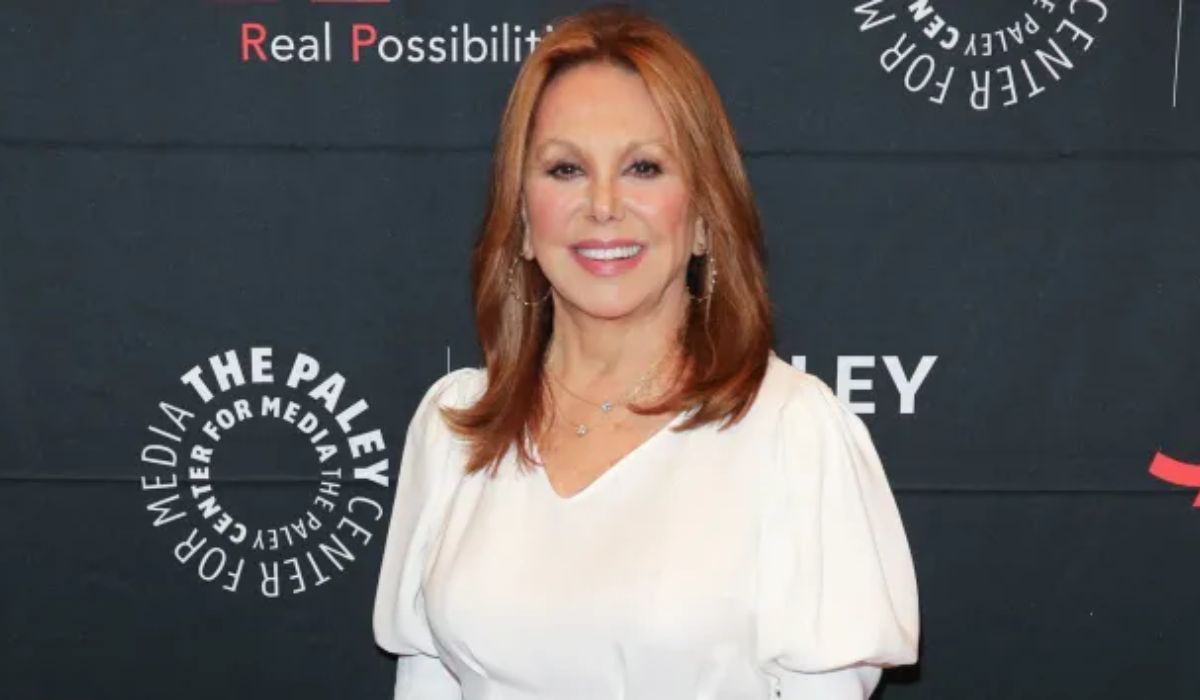
Marlo Thomas is a name that resonates with classic television, groundbreaking social projects, and enduring influence. Most people might first remember her as the effervescent star of That Girl, but there’s so much more to her story—especially when it comes to how she built her financial legacy. In this article, we’ll explore her journey as an entertainer, author, activist, and philanthropist, and how all these roles have contributed to her estimated wealth. Through a conversational and relatable lens, we’ll unlock the life of a woman who has had a profound impact on entertainment and society.
Introduction: More Than Just a TV Star
Have you ever wondered how an actor from the golden era of television builds a lasting legacy—both culturally and financially? Marlo Thomas’s life is a fascinating study. She didn’t just act; she created, she wrote, she campaigned, and she gave back. Her journey blends art and activism in a way that’s rare in Hollywood. Today, her story helps illustrate how talent, purpose, and smart choices can shape a remarkable life and financial standing.
1. Early Life and Family Roots
Marlo Thomas was born Margaret Julia Thomas on November 21, 1937, in Detroit, Michigan. She grew up in a family deeply connected to show business—her father, Danny Thomas, was a legendary entertainer. This early exposure gave her a front-row seat to Hollywood’s inner workings. From school plays to television sets, Marlo’s path toward stardom had roots in her upbringing.
Her journey wasn’t a straight line—there were auditions, small roles, and plenty of waiting—but it gave her persistence and perspective. It’s like planting a seed in fertile soil; with time and nurture, it grows into something solid and substantial.
2. Breakthrough: That Girl and Its Impact
Marlo Thomas became a household name when she starred in That Girl (1966–1971), playing Ann Marie, an aspiring actress in New York City. The show was one of the first to center on an independent young woman pursuing her dreams—something that was still quite novel on television then. This role didn’t just bring her fame; it helped define a new kind of female character on screen, inspiring audiences everywhere.
From a financial perspective, this show was her launchpad. It established her earning power, opened doors to syndication deals, and meant residuals (ongoing payments every time the show aired) long after the cameras stopped rolling.
3. Diversifying Income: Acting Beyond Television
Marlo didn’t stop with That Girl. She continued to work in television, theater, and film, appearing in recurring roles on series like Friends, where she played Rachel’s mother. This kept her relevant across generations and ensured that her talent continued to translate into opportunities and earnings.
Think of it like having multiple streams feeding into one river—each helps keep the flow strong. Television brought visibility, movies offered variety, and theater grounded her artistic roots.
4. A Creative Force: Free to Be… You and Me
In the early 1970s, Marlo Thomas wasn’t just acting—she was creating. She launched Free to Be… You and Me, a project that included an album, book, and television special. Its message promoted individuality and challenged traditional gender roles. The project was not only culturally impactful but financially smart.
It brought in royalties over time, and its success showed that Marlo’s creative talents weren’t limited to performance—they included production and innovation. This project became a cultural touchstone for a generation of children and parents.
5. Writing and Speaking: Expanding Her Brand
Marlo Thomas has authored several books, including memoirs, collections of advice, and reflections on life and love. Some of these became bestsellers, adding another layer to her career and earnings. Writing books is more than sharing words—it’s building intellectual property. Each book becomes an asset that can continue to generate income through sales and reprints.
Whether it’s personal stories or empowering thoughts for women and families, Marlo’s writing connected with readers and expanded her brand beyond the screen.
6. Smart Investing: Real Estate and Assets
Most actors earn money from performances, but savvy ones turn that income into long-term security. Marlo and her late husband, Phil Donahue—a famed talk show host—made strategic investments in real estate. Over the years, they owned and sold high-value properties, including homes in Westport, Connecticut and a Manhattan penthouse. These transactions didn’t just provide great places to live—they built equity and boosted wealth.
This highlights an important financial lesson: don’t let your earnings sit idle. Investing in assets like property can provide stability and growth over time.
7. Philanthropy: Giving Back Without Losing Out
If you ask many celebrities about wealth, they might speak in numbers. Marlo Thomas speaks in values. She has spent a lifetime actively supporting causes she believes in, especially St. Jude Children’s Research Hospital, which was founded by her father. She serves as the National Outreach Director and has helped raise significant funds for pediatric research and care.
Her philanthropy isn’t just a side project—it’s part of her identity. She even donated royalties from some of her works straight to the hospital. While philanthropy often means giving away money, it can also build legacy and goodwill that lasts longer than awards or paycheck.
8. Awards, Recognition, and Cultural Footprint
Marlo Thomas’s career wasn’t just financially successful—it was critically acclaimed. She’s won multiple Emmy Awards, a Golden Globe, a Grammy, and honors like the Presidential Medal of Freedom. These accolades reflect both talent and impact.
Recognition like this doesn’t pay a salary directly, but it elevates a person’s stature, which in turn supports opportunities like speaking engagements, special appearances, and ongoing project royalties.
9. Her Marriage and Shared Finances
Marlo Thomas was married to Phil Donahue from 1980 until his death in 2024. Their partnership was not only personal but financial. They combined resources and worked together on projects and investments. This partnership helped amplify both of their net worth estimates.
While private financial details aren’t publicly available, many estimates consider their combined wealth—and today that figure is around $150 million as of 2025.
10. What Her Estimated Wealth Really Means
So what does a $150 million net worth look like? First, it’s important to understand that this is an estimate based on public data. It likely includes earnings from acting, royalties, book sales, real estate sales, and perhaps investments.
To put it in perspective, think of her wealth as a mosaic: each piece—acting, investing, writing, producing—adds up to the big picture. No single role made her wealthy; it was a lifetime of thoughtful work and smart choices.
11. Legacy Beyond Money
While net worth is often what grabs headlines, Marlo Thomas’s true legacy goes far beyond the numbers. She helped reshape how women are portrayed on screen, created content that empowered young people, and devoted decades to helping families through charity work.
Her story reminds us that success isn’t just about money—it’s about influence, meaning, and the difference one person can make.
Conclusion: A Life Rich in Impact
Marlo Thomas’s journey from an aspiring actress to a respected cultural figure and philanthropist teaches us something valuable: wealth is not an accident. It grows from persistence, diversification, and purposeful choices. She didn’t chase fame—she cultivated a life filled with meaningful work and smart decisions, and in doing so built a legacy that continues to shine.
Frequently Asked Questions (FAQs)
- How much is Marlo Thomas worth in 2025?
Marlo Thomas’s estimated net worth in 2025 is around $150 million, based on industry sources that combine earnings from her career, investments, and assets. - What contributed most to her wealth?
Her wealth comes from a combination of her television and film career, producing projects, book sales, royalties, and real estate investments. - Did Marlo Thomas earn money from That Girl after it ended?
Yes, syndication and residuals from That Girl continued to provide income long after the show ended. - Is her philanthropy part of her financial story?
Her philanthropic work—especially with St. Jude Children’s Research Hospital—reflects her values and influence. While she gave some royalties away, her role has elevated her public presence. - Did her marriage to Phil Donahue affect her net worth?
Yes, their shared finances and joint investments are typically included in estimates of her net worth.