
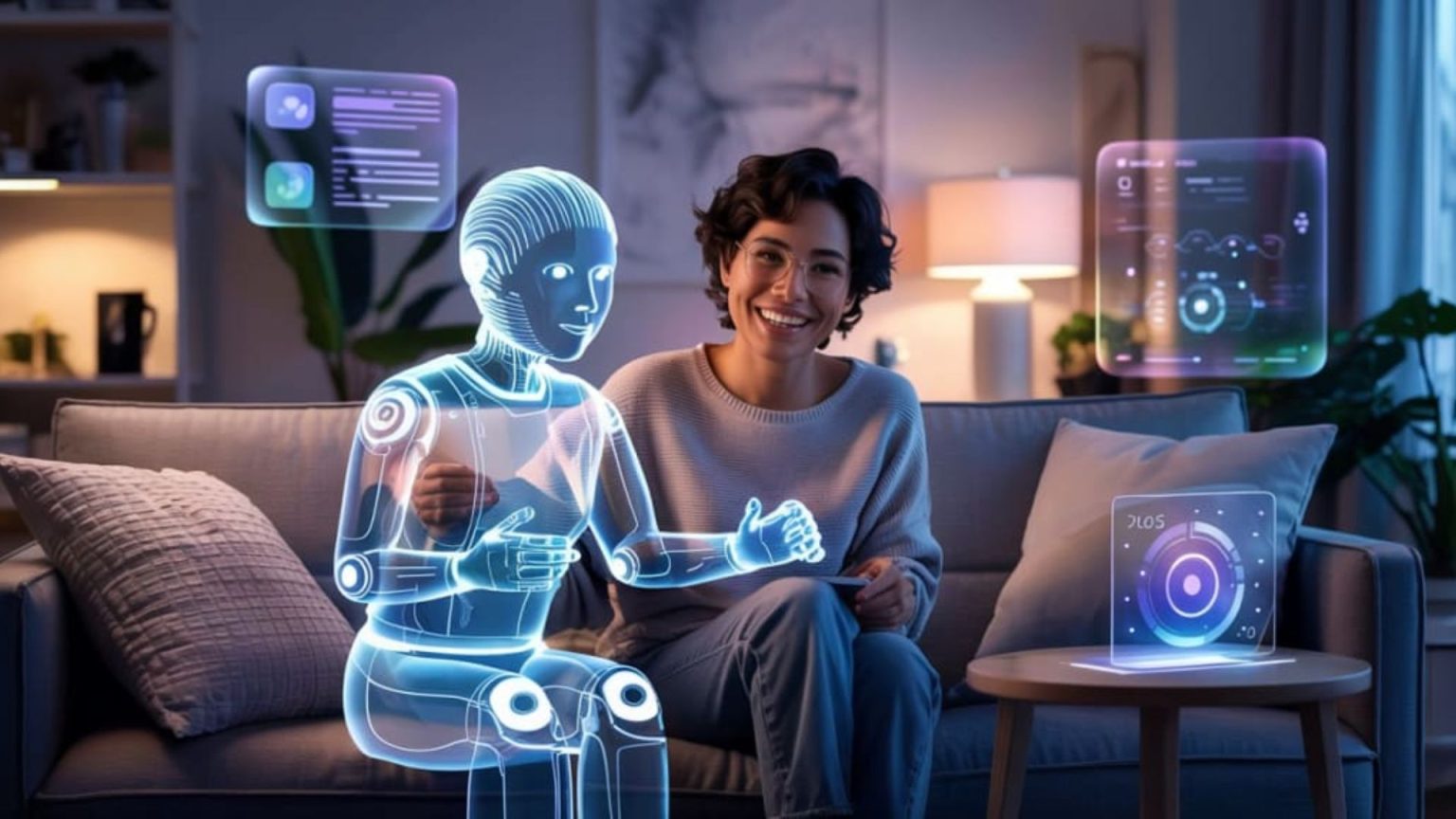
Artificial intelligence has rapidly transformed how we interact with technology. From voice assistants on our phones to smart chatbots that answer questions instantly, AI is becoming part of everyday life. One emerging concept in this space is Miah AI, a conversational AI platform designed to create personalized digital interactions and virtual companionship.
But what exactly is this platform, and why are people becoming curious about it? Is it just another chatbot, or does it represent a new direction in human-technology relationships?
In this article, we’ll explore everything you need to know about Miah AI—its features, benefits, use cases, potential concerns, and what it tells us about the future of digital companionship. Think of it like opening a window into the next generation of interactive technology.
What Is Miah AI?
At its core, Miah AI is a conversational artificial intelligence system built to communicate naturally with users. It uses advanced language models and contextual understanding to hold meaningful conversations and provide helpful responses.
Unlike basic chatbots that rely on simple scripted replies, this platform aims to understand the user’s intent and respond intelligently. This ability comes from technologies such as Natural Language Processing, which allows computers to interpret and generate human language.
In simple terms, imagine talking to a digital assistant that can remember context, respond thoughtfully, and adapt to your communication style. That’s the goal behind platforms like Miah AI.
Some versions of the platform even allow users to create customized AI companions or characters that can chat, answer questions, or provide entertainment.
The Evolution of AI Companionship
To understand why platforms like Miah AI are gaining attention, it helps to look at how AI communication tools have evolved.
Years ago, chatbots were extremely limited. They could answer a few predefined questions but struggled with anything outside their script. Conversations often felt robotic and frustrating.
Then came the rise of large AI language models, which dramatically improved interaction quality. Suddenly, machines could:
- Understand complex questions
- Provide contextual answers
- Maintain longer conversations
This shift opened the door for a new category of AI—personalized digital companions.
Think of it as the difference between a vending machine and a friendly shopkeeper. Both give you what you need, but one feels human and engaging.
Core Features of Miah AI
Intelligent Conversation
The main feature of Miah AI is its ability to communicate naturally with users. Instead of giving rigid responses, it analyzes the meaning behind a question and replies accordingly.
This allows conversations to feel more fluid and realistic.
Context Awareness
Another powerful capability is remembering conversation context. If you ask a follow-up question, the system can refer to earlier parts of the discussion.
This feature makes interactions feel much more natural.
Personalization
Users can often customize the AI’s personality or communication style. Over time, the system may also learn from interactions and adapt its responses.
Multimodal Communication
Some implementations support more than text. Users may interact through:
- Voice conversations
- Text chat
- Visual or multimedia inputs
This creates a richer and more engaging experience.
Multiple AI Engines
Certain versions integrate different AI models to provide varied responses or specialized capabilities.
For example, one engine might focus on conversation while another handles information retrieval.
How Miah AI Works
Behind the scenes, the system relies on several AI technologies working together.
Natural Language Understanding
First, the AI processes the user’s input and analyzes the meaning. This involves identifying:
- Keywords
- Intent
- Context
This step is what allows the system to “understand” a question.
Dialogue Management
Next, the AI determines the best response. It considers the conversation history and the user’s intent before generating a reply.
Machine Learning
Over time, the system can improve its responses through machine learning. The more interactions it handles, the better it becomes at predicting what users want.
Response Generation
Finally, the AI generates a response using advanced language models. These responses are designed to feel natural and conversational.
In many ways, the process is similar to how humans communicate—listening, understanding, thinking, and responding.
Real-World Uses of Miah AI
While AI companionship gets the most attention, platforms like Miah AI can serve many practical purposes.
Customer Support
Businesses can use AI assistants to answer customer questions quickly. This reduces wait times and improves user experience.
Personal Assistance
Users can ask the AI for information, reminders, or recommendations.
Imagine asking:
- “What’s the weather today?”
- “Help me plan my day.”
- “Explain this concept in simple terms.”
Entertainment and Conversation
Some users simply enjoy chatting with AI companions for fun. These interactions can feel surprisingly engaging.
Learning and Education
AI tools can also help explain topics or guide users through learning materials.
Think of them as digital tutors available anytime.
The Rise of AI Companions
Why are AI companions becoming popular? Several factors are driving this trend.
24/7 Availability
Unlike humans, AI assistants are always available. Whether it’s late at night or early in the morning, they’re ready to chat.
Personalized Interaction
AI companions can adapt their responses based on user preferences and past conversations.
Judgment-Free Conversations
Many users feel comfortable sharing thoughts or questions with an AI because there’s no fear of judgment.
Emotional Engagement
Although AI doesn’t truly feel emotions, it can simulate empathy through thoughtful responses.
This creates the illusion of emotional connection.
Benefits of Using Miah AI
Quick Information Access
Users can get answers to questions instantly.
Improved Productivity
AI assistants can help with tasks like organizing schedules or finding information quickly.
Interactive Learning
Students and curious learners can ask questions and receive simplified explanations.
Creative Inspiration
Writers, artists, and creators sometimes use AI conversations to generate ideas or overcome creative blocks.
It’s a bit like brainstorming with a digital partner.
Concerns and Ethical Questions
Like any emerging technology, AI companions raise important questions.
Privacy Issues
Users often share personal information during conversations. This raises concerns about data storage and security.
Dependence on AI
If people rely too heavily on AI companionship, it could affect real-world social interactions.
Content Moderation
AI platforms must ensure conversations remain safe and appropriate.
Transparency
Users should always know they are interacting with AI rather than a human.
These ethical discussions are shaping how AI platforms evolve.
The Future of AI Interaction
Where might technology like Miah AI go next?
Experts predict several developments.
More Human-Like Conversations
Advances in language models will make AI dialogue even more natural.
Voice and Visual Interaction
Future systems may combine voice, video, and text seamlessly.
Stronger Personalization
AI companions may adapt deeply to individual personalities.
Integration With Daily Life
AI assistants may become embedded in:
- Smart homes
- Vehicles
- Wearable devices
Imagine talking to your AI assistant while cooking, driving, or studying.
The line between technology and everyday conversation may continue to blur.
Is Miah AI Safe to Use?
Safety depends largely on the specific platform implementation.
Many AI services use encryption and secure communication systems. However, users should still follow basic online safety practices, such as avoiding sharing sensitive personal information.
It’s also wise to research any platform before signing up, especially newer websites or apps.
Responsible use and awareness are key.
Why AI Companions Fascinate Us
There’s something fascinating about talking to machines.
Maybe it’s the idea of technology finally understanding human language. Or perhaps it’s the curiosity of seeing how close machines can come to real conversation.
Think of AI companions as mirrors of human communication. They reflect how we speak, think, and share ideas.
Just as smartphones once transformed communication, conversational AI may reshape how people interact with technology.
Conclusion
Artificial intelligence continues to reshape the digital world, and platforms like Miah AI are part of that transformation. By combining conversational intelligence, personalization, and advanced language processing, these systems offer a new way to interact with technology.
Whether used for assistance, entertainment, or learning, AI companions represent an exciting shift in human-computer interaction. At the same time, they also raise important questions about privacy, ethics, and the balance between digital and human relationships.
As technology continues to evolve, one thing is clear: the future of communication may include not only conversations with people—but also with intelligent machines.
Frequently Asked Questions (FAQs)
1. What is Miah AI used for?
Miah AI is used for conversational interaction, personal assistance, information retrieval, and entertainment through AI-powered dialogue systems.
2. Is Miah AI a chatbot or a virtual assistant?
It functions as both. It acts like a chatbot for conversation but also provides features similar to a virtual assistant, such as answering questions and offering recommendations.
3. Can Miah AI learn from conversations?
Many AI systems improve over time using machine learning and feedback, allowing them to provide more accurate and personalized responses.
4. Is it safe to talk to AI platforms like Miah AI?
Generally yes, but users should avoid sharing sensitive personal information and always check the privacy policies of any AI service they use.
5. Will AI companions replace human interaction?
No. AI companions are designed to assist and entertain, not replace real human relationships. They work best as supportive tools rather than substitutes for genuine social connections.