
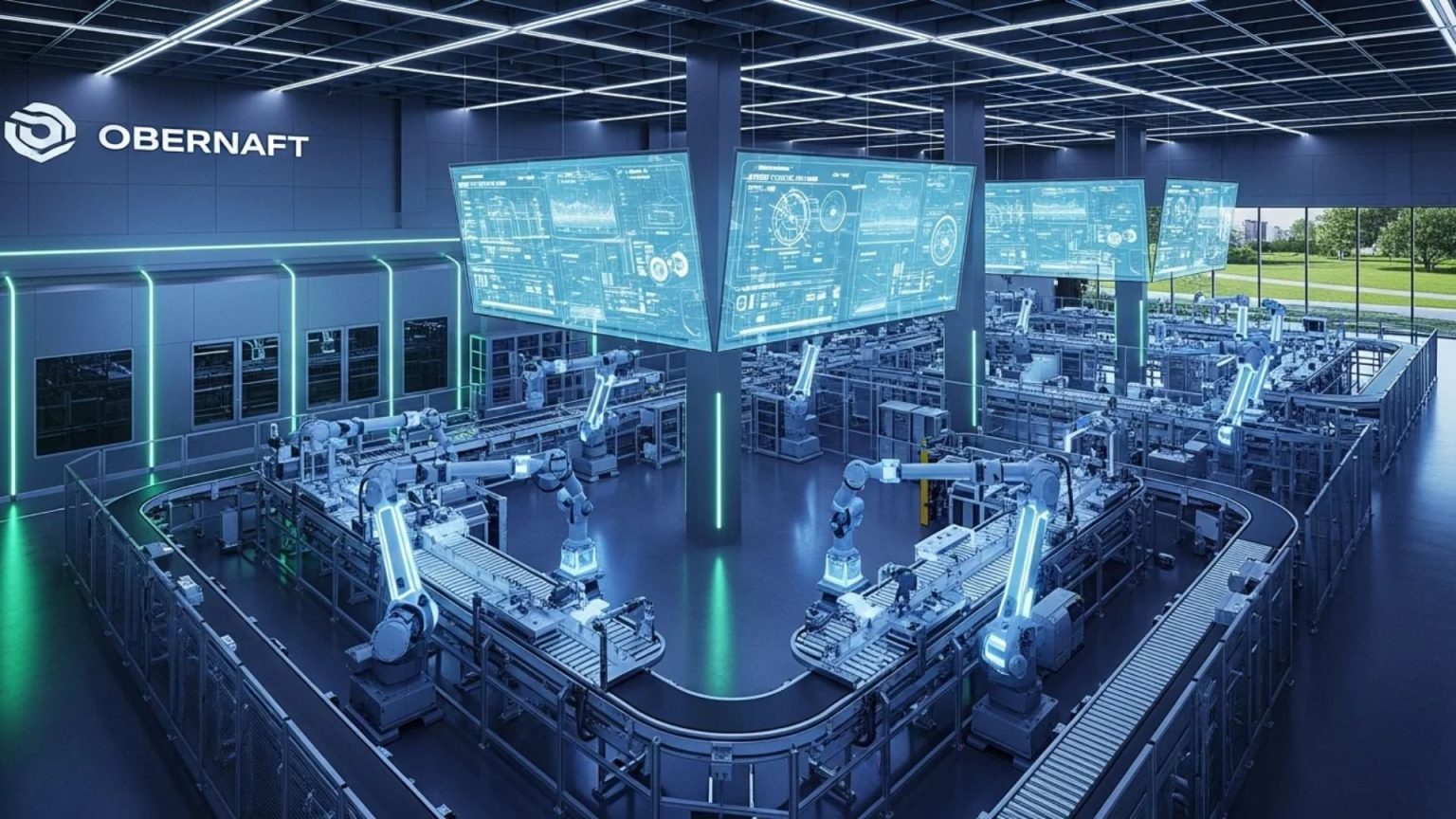
In a world that constantly introduces new ideas, systems, and innovations, some terms appear that spark curiosity. One such emerging concept is obernaft. While many people may not be familiar with it yet, the idea behind it is gaining attention in discussions related to modern systems, innovation, and evolving industries.
But what exactly does it mean? Why are people starting to talk about it? And how might it influence the way businesses, technology, or society operate in the future?
This guide explains the concept in a simple and engaging way so anyone—from students to professionals—can understand it. Think of it as opening a door to a concept that connects innovation, adaptability, and forward-thinking solutions. Let’s explore it together.
What Is Obernaft?
At its core, obernaft can be understood as a concept that represents a structured approach to innovation and system optimization. It reflects the idea of improving processes, integrating new technologies, and adapting to changing environments in a strategic way.
Rather than being limited to one industry, this concept can apply to multiple fields such as:
- Technology
- Business strategy
- Digital transformation
- Organizational development
- Future innovation models
Imagine a well-organized control center that continuously analyzes what works, what doesn’t, and what could work better. That ongoing process of refinement captures the essence of this concept.
In simple terms, it focuses on smart improvement and adaptive systems.
The Origin and Evolution of the Concept
Many modern ideas begin as niche discussions before becoming widely recognized frameworks. The same appears to be happening with this concept.
The idea likely emerged from conversations surrounding:
- digital transformation
- adaptive systems
- innovation frameworks
- strategic optimization
Over time, professionals began using the term to describe a holistic approach to improving complex systems.
Instead of focusing on a single improvement, it emphasizes continuous evolution.
Think about it like upgrading a smartphone. You don’t just replace the battery—you improve the processor, camera, security features, and software together. That integrated improvement approach reflects the philosophy behind this concept.
Why Obernaft Matters in Today’s World
Modern societies face rapid change. Technology evolves quickly, markets shift overnight, and organizations must stay flexible to survive.
This is where the concept becomes valuable.
It provides a mindset focused on:
- adaptability
- intelligent decision-making
- sustainable progress
Organizations that follow this philosophy tend to focus on long-term improvement rather than short-term fixes.
In other words, instead of patching problems temporarily, they build systems that learn, adapt, and grow stronger over time.
For the general public, this means better services, smarter technology, and more efficient systems.
The Core Principles Behind Obernaft
To truly understand the concept, it helps to explore the principles that shape it.
1. Continuous Improvement
Systems should never remain static. Regular evaluation allows organizations to identify areas where processes can be refined.
Even small improvements, when applied consistently, create significant long-term progress.
2. Integrated Thinking
Rather than improving one area while ignoring others, this approach looks at the entire ecosystem.
Technology, people, resources, and processes all work together.
3. Adaptability
Markets change. Technologies evolve. Customer needs shift.
The concept emphasizes building systems flexible enough to respond to these changes without collapsing.
4. Strategic Vision
Short-term success matters, but long-term sustainability matters even more. This principle encourages planning with the future in mind.
Obernaft in Business and Industry
Businesses today face intense competition. Companies that fail to innovate often fall behind quickly.
This framework can help organizations improve areas such as:
- operations
- resource management
- digital transformation
- customer experience
For example, a business might use this approach to analyze how customers interact with its services. By identifying friction points, the company can redesign processes to make experiences smoother.
It’s similar to fine-tuning an engine. When every part works efficiently, the whole machine performs better.
The Role of Technology in Obernaft
Technology acts as a major driver of modern innovation frameworks.
Advanced tools allow organizations to gather insights and improve systems more effectively.
Some of the technologies that support this approach include:
- data analytics
- artificial intelligence
- automation systems
- digital platforms
These tools help organizations understand patterns, predict outcomes, and make smarter decisions.
For example, data analysis might reveal customer behavior trends. Businesses can then adjust strategies accordingly.
The result? Better efficiency and stronger performance.
How Obernaft Encourages Innovation
Innovation does not always mean inventing something completely new.
Often, it means improving what already exists.
This concept encourages creative thinking by asking important questions:
- Can this process be simplified?
- Is there a smarter way to achieve the same goal?
- How can technology enhance efficiency?
These questions drive progress.
Think of innovation like gardening. You don’t just plant seeds—you nurture them, remove weeds, adjust the soil, and give them sunlight. Over time, the garden grows stronger.
In the same way, this framework nurtures ideas until they become practical solutions.
The Benefits of Adopting the Obernaft Approach
Organizations and systems that follow this mindset often experience several advantages.
Higher Efficiency
Processes become smoother and more organized, reducing wasted effort.
Better Decision Making
Data-driven insights help leaders make informed choices.
Greater Flexibility
Systems designed for adaptability respond better to unexpected changes.
Improved User Experience
Customers benefit from services that are easier, faster, and more reliable.
These benefits often create a positive cycle where improvement leads to further innovation.
Challenges and Limitations
No system or concept is perfect. Implementing new frameworks can present challenges.
Resistance to Change
People sometimes feel uncomfortable adopting new systems or processes.
Initial Investment
Improving systems often requires time, training, and financial resources.
Complex Integration
Connecting multiple technologies or departments can be difficult.
However, these challenges usually decrease as organizations become more familiar with the process.
Over time, the benefits often outweigh the obstacles.
The Future Potential of Obernaft
Looking ahead, this concept could become more relevant as industries continue evolving.
Future developments may involve:
- smarter automation systems
- predictive analytics
- integrated digital ecosystems
- adaptive organizations
As technology grows more sophisticated, frameworks like this may help guide how innovations are applied effectively.
Rather than adopting technology blindly, organizations can use structured approaches to ensure meaningful improvements.
How Individuals Can Apply Obernaft Thinking
Interestingly, the philosophy behind this concept isn’t limited to large organizations.
Individuals can apply similar principles in everyday life.
For example:
- improving productivity routines
- learning new skills gradually
- evaluating personal goals regularly
Think of your life as a personal system. Small improvements—better habits, smarter decisions, continuous learning—can create powerful long-term results.
Just like organizations evolve, individuals can evolve too.
Practical Examples in Real-World Contexts
To better understand how this concept works, let’s consider a few practical scenarios.
Education
Schools might redesign learning systems using digital tools, interactive lessons, and data insights to improve student outcomes.
Healthcare
Hospitals could use advanced analytics to streamline patient care and reduce waiting times.
Business Operations
Companies may automate routine tasks while allowing employees to focus on creative problem-solving.
Each example reflects the same principle: continuous system improvement.
Conclusion
The concept of obernaft represents a modern approach to progress. Instead of focusing on isolated improvements, it encourages a comprehensive view of systems, innovation, and adaptability.
In today’s rapidly changing world, that mindset can make a significant difference.
Organizations benefit from more efficient operations, individuals gain tools for personal growth, and society moves toward smarter solutions.
Think of it like steering a ship in open water. Conditions change, waves shift, and winds evolve. A good captain doesn’t fight the ocean blindly—they adjust the sails, refine the course, and keep moving forward.
That spirit of continuous adaptation captures the essence of this concept.
As industries evolve and technologies expand, the ideas behind this framework may play an increasingly important role in shaping the future.
FAQs
1. What does the term obernaft mean?
It generally refers to a concept focused on structured innovation, system improvement, and adaptive strategies designed to optimize processes and long-term efficiency.
2. Is obernaft related to technology?
Yes, technology often supports this framework through tools like data analytics, automation, and digital platforms that help organizations analyze and improve systems.
3. Can small businesses benefit from obernaft thinking?
Absolutely. Even small businesses can use the principles of continuous improvement and strategic optimization to enhance efficiency and customer experience.
4. Is obernaft only useful for organizations?
No. Individuals can also apply its philosophy by improving personal routines, learning continuously, and adapting to change.
5. Why is obernaft important for the future?
As industries evolve rapidly, frameworks that encourage adaptability, innovation, and system-wide improvement will help organizations and individuals remain competitive and resilient.